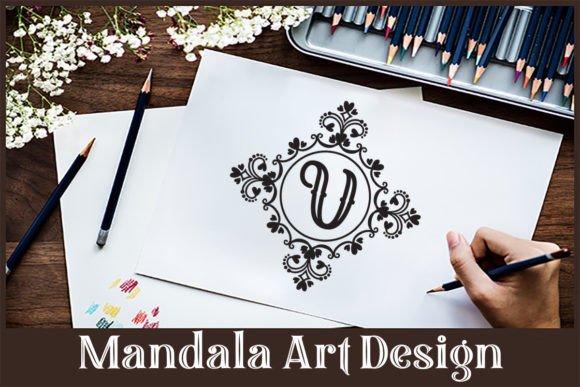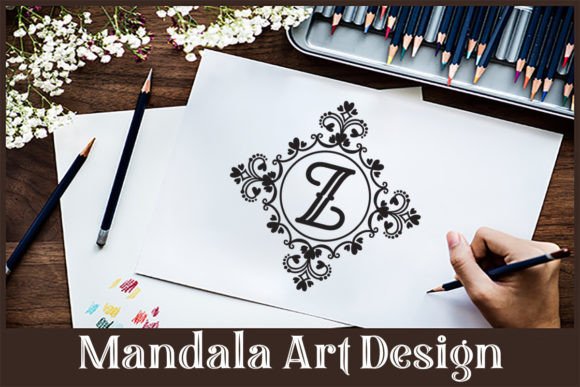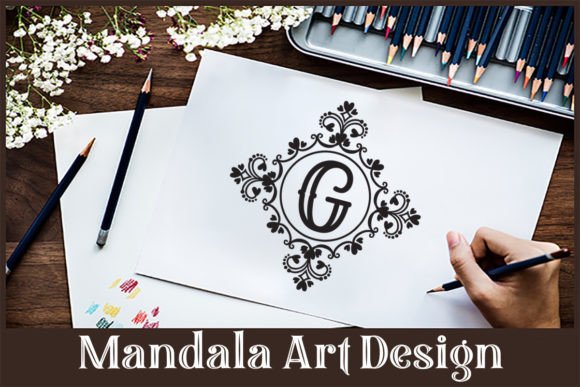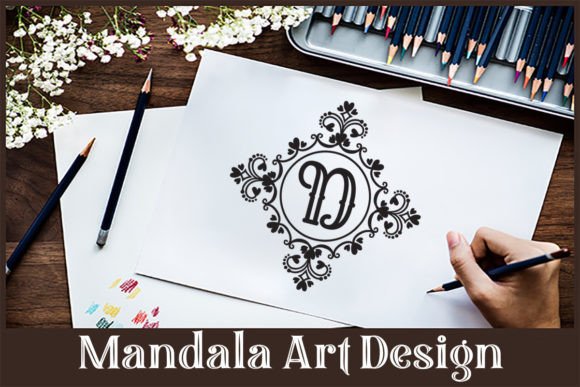
Mandala Art Design: A Designer’s Real-World Embroidery Review
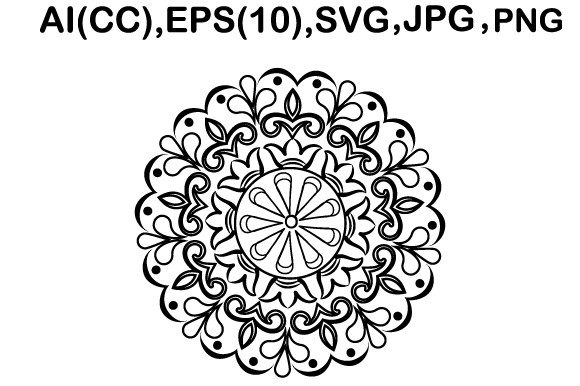
As a designer who’s stitched hundreds of custom pieces—from boutique baby onesies to wedding aprons and Etsy embroidery kits—I opened the Mandala Art Design file expecting elegance. What I found wasn’t just pretty; it was purposeful. This isn’t a generic circular motif tossed into a graphics pack. It’s a balanced, layered mandala built with quiet intention—symmetrical but not rigid, intricate but not overwhelming, floral yet grounded in arabesque rhythm. It feels like meditation made visible: calm, centered, and quietly confident.
I tested it on a linen-cotton tea towel first—medium-weight, slightly textured, no stretch. Hooped with medium tear-away stabilizer, stitched at 75% density (a quick adjustment I made after reviewing the fill stitch areas), it held beautifully. The outer petals bloomed with clean satin stitch definition, while the inner concentric rings stayed legible without bleeding or puffing. That’s rare. Many mandalas collapse under dense fill or blur on natural fibers—but this one breathes. It’s designed for clarity, not just complexity.
Where Mandala Art Design Truly Shines
This design belongs on products where meaning meets craftsmanship. Think: embroidered pillow covers for a yoga studio’s retail shelf, custom sweatshirt backs for mindfulness retreats, or delicate patches sewn onto organic cotton tote bags sold at craft fairs. Its circular form frames well—it doesn’t fight the grain or demand perfect centering like linear motifs do. On curved surfaces (like baseball caps or baby beanies), it adapts gracefully when resized thoughtfully—no distorted petals or stretched lines.
- Custom apparel: Works especially well on crewneck sweatshirts and lightweight knits—just reduce density by 10–15% and use cutaway stabilizer underneath for stability.
- Baby embroidery: Ideal for onesies and burp cloths. The soft floral-arabesque blend reads gentle, not busy—parents consistently choose this aesthetic for nursery decor and keepsake gifts.
- Holiday & wedding gifts: Stitched on ivory linen napkins or monogrammed pillow inserts, it adds quiet luxury without looking dated or overly ornate.
- Etsy & small shop products: As a digital embroidery file, it pairs seamlessly with printable mockups—customers instantly “see” it on a tea towel or greeting card, boosting conversion. Its versatility across categories (Crafts, Graphics) means one design supports multiple listings: patch, printable, embroidery file, even coloring page add-on.
Where to Proceed With Thoughtful Adjustments
Mandala Art Design is strong—but not magic. It demands attention where detail meets reality. On ultra-thin fabrics like voile or rayon challis, the inner filigree risks shadowing or puckering unless you reduce stitch density *and* use a light iron-on stabilizer beneath. On dark fabric? Test thread colors early. Some gold or sage greens that look luminous on screen mute quickly on charcoal or navy—especially in the fine running-stitch accents. I swapped to matte ecru for contrast and gained instant readability.
Small hoop sizes (under 4”) require careful cropping. The full mandala reads best at 3.5”–5.5”. If you’re stitching a cap front or pocket patch, isolate one quadrant or simplify the outer ring—don’t force the entire composition into tight space. And on stretchy knits? Always test with basting stitches first. The symmetry relies on stable tension; if the fabric shifts mid-stitch, the balance collapses.
What It Adds to Your Finished Product—Beyond Aesthetics
Customers don’t buy mandalas—they buy feeling. When someone unwraps an embroidered kitchen towel with Mandala Art Design centered just so, they sense care. Not just in the stitching, but in the *choice* of motif: intentional, serene, handmade in spirit. That perception lifts perceived value. Boutique buyers pay more for pieces that feel curated—not mass-produced. Likewise, for Etsy sellers, this design strengthens brand consistency across product lines: same motif on a greeting card, a patch, and a baby blanket tells a cohesive story.
It also builds trust. Because the layout avoids tiny lettering, fragile linework, or over-compressed elements, it stitches reliably across machines—even older home embroidery units. No dropped stitches in the inner spirals. No thread breaks in the petal outlines. That reliability translates to fewer customer complaints, smoother production runs, and repeat orders from craft business clients who need dependable design assets.
Practical Notes Every Embroidery Designer Should Keep Handy
- Always run a test on scrap fabric matching your final project’s weight and texture—especially for baby items or frequently washed goods like tea towels.
- Review stitch density before stitching. High-density fill areas benefit from a slight reduction (5–10%) on natural fibers.
- Confirm hoop size compatibility. The full design fits standard 5x7 hoops comfortably—but verify before digitizing for commercial embroidery services.
- Inspect small details at actual stitch size. Zoom in on the innermost ring: does it hold shape? Does the running stitch flow cleanly?
- Test black-and-white mockups. If it reads well in grayscale, it’ll translate across thread palettes and fabric tones.
- Use proper stabilizer—tear-away for stable wovens, cutaway for knits, and light iron-on for sheer layers.
- Check licensing terms before selling finished items or bundling the Mandala Art Design as part of a digital product. Since it’s categorized under Graphics, confirm whether commercial embroidery rights are included.
In short: Mandala Art Design earns its place in a working designer’s library—not because it’s trendy, but because it’s thoughtful, adaptable, and rooted in real-world making. It doesn’t shout. It centers. And in a market crowded with loud, fast, forgettable designs, that quiet strength is exactly what makes it sell.